Crystal Meanings: A Simple, Honest Guide to 12 Stones
What each stone means, when to reach for it, and how to look after it. Start here.
You picked up a stone, or someone gave you one, and now you want to know what it means. That is the whole reason this page exists. Below are the twelve crystals people ask about most, each with what it is said to mean, when to reach for it, and how to keep it from getting ruined.
We will tell you the lovely parts and the true parts, and we will be clear about which is which. No stone treats an illness, and we will never tell you one does.
The twelve stones, at a glance
Tap any stone for the full guide.
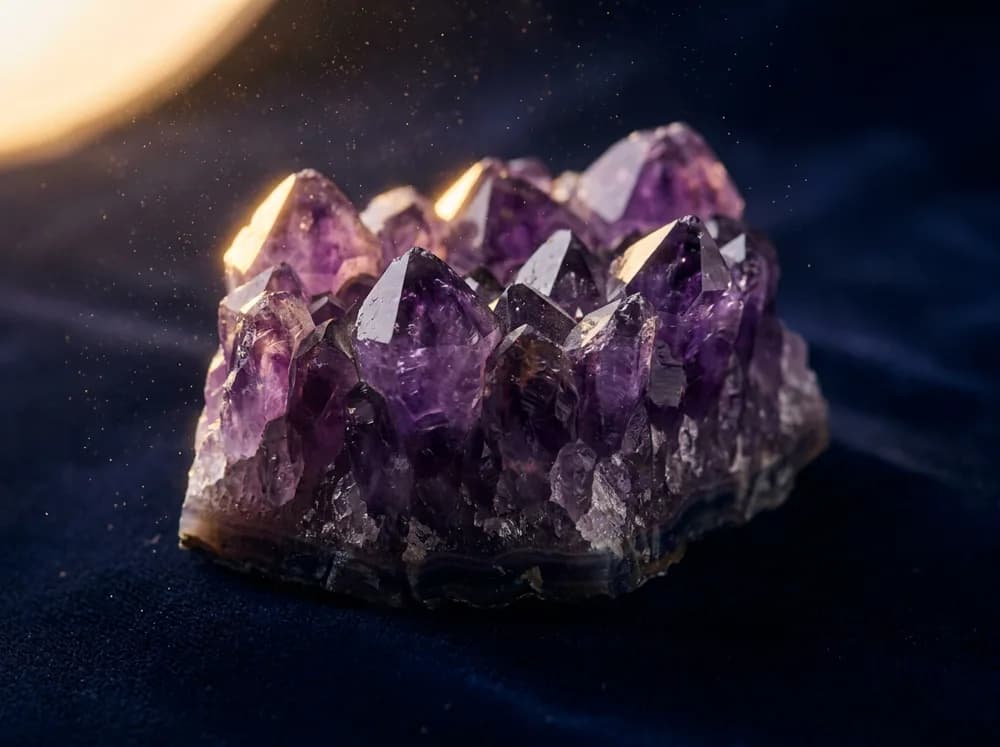
Amethyst
Calm, clarity, sleep
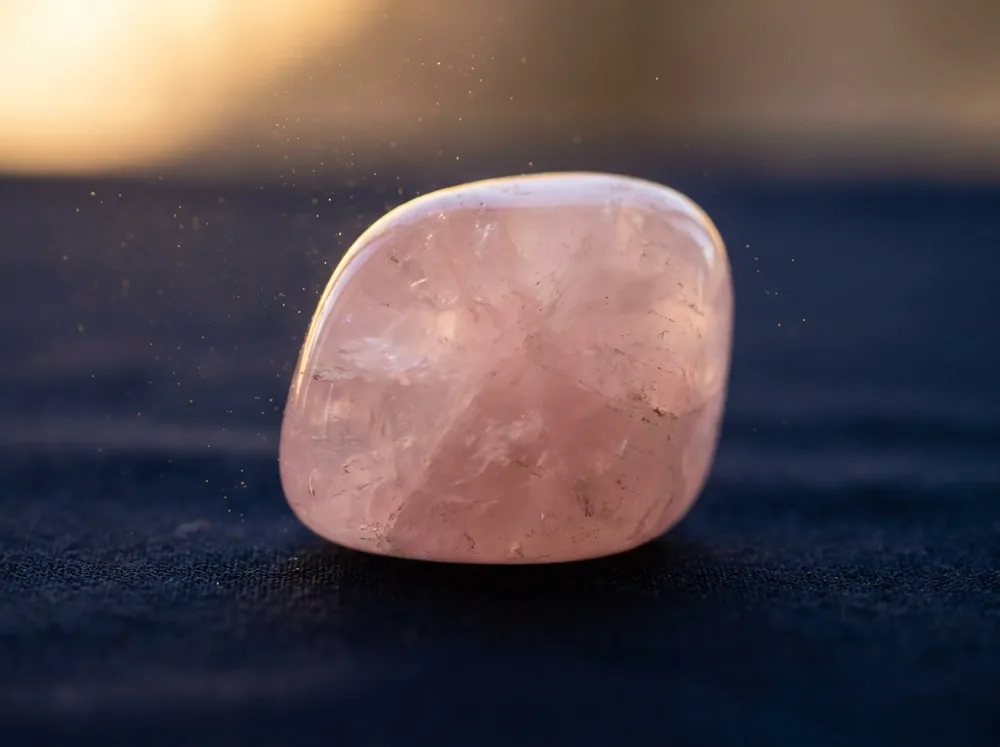
Rose Quartz
Love, and being kind to yourself
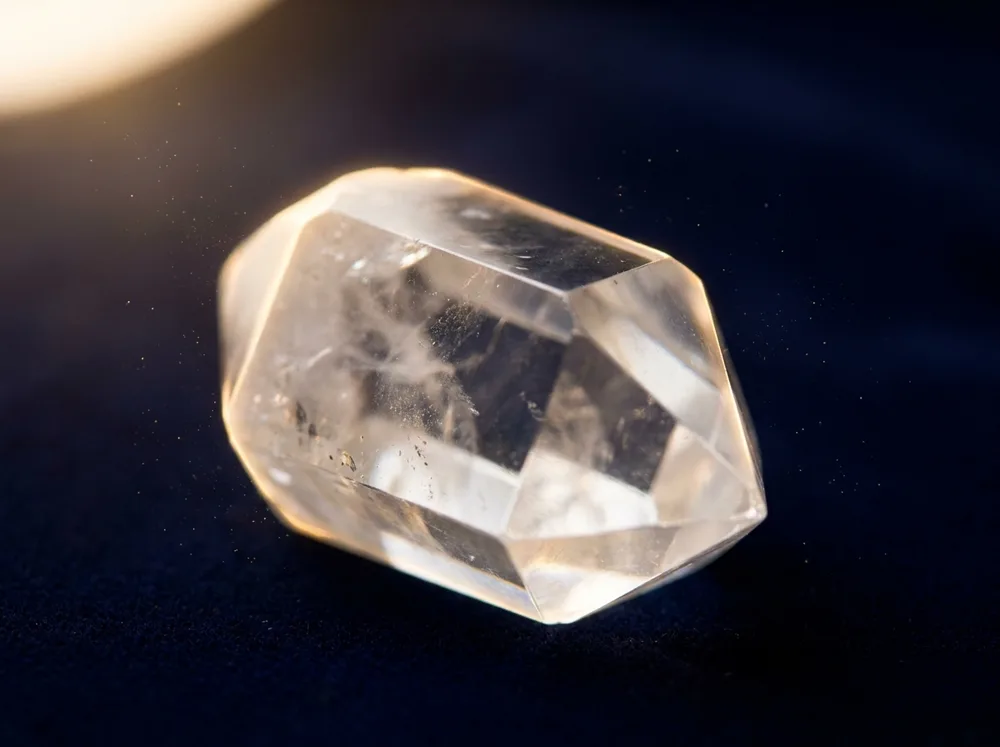
Clear Quartz
Clarity, and amplifying intention
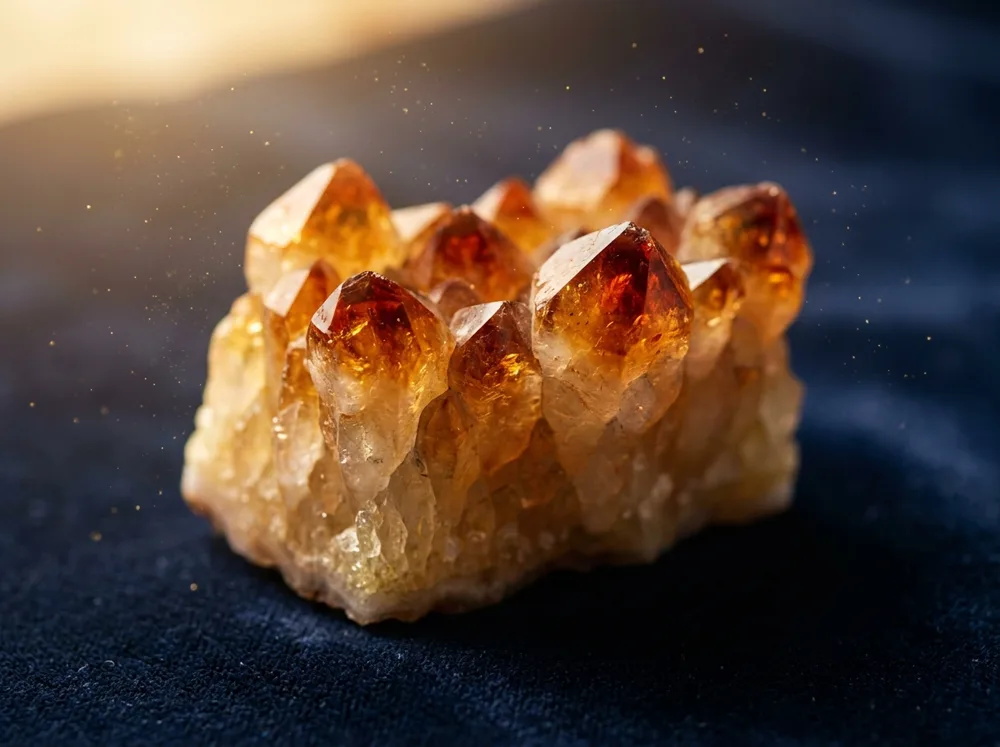
Citrine
Abundance and confidence
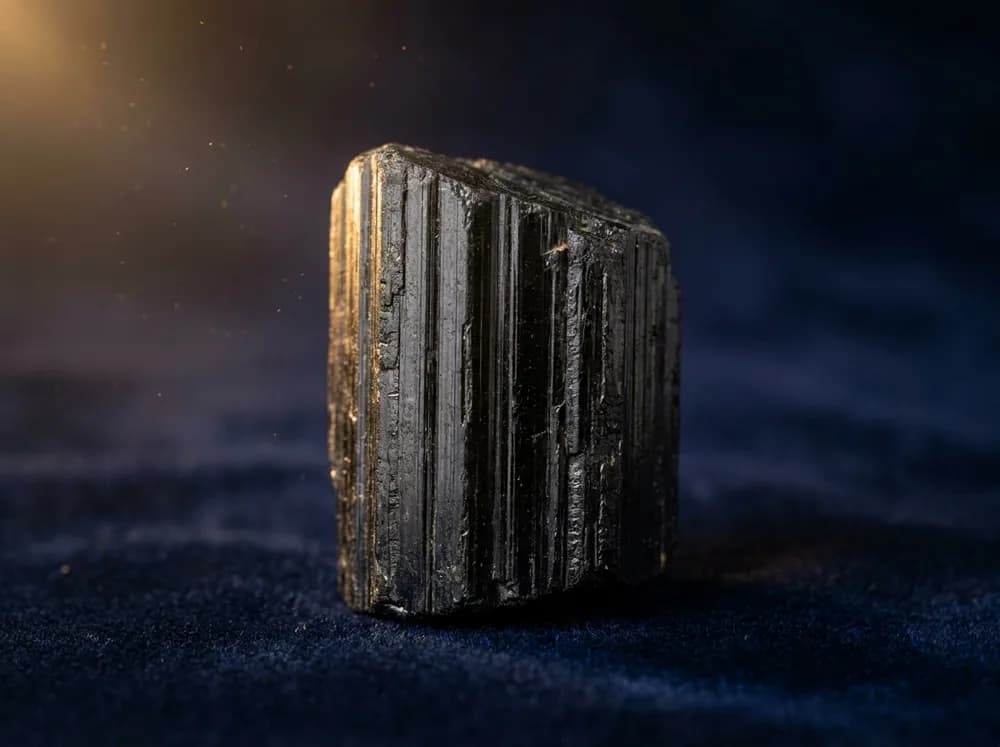
Black Tourmaline
Protection and boundaries
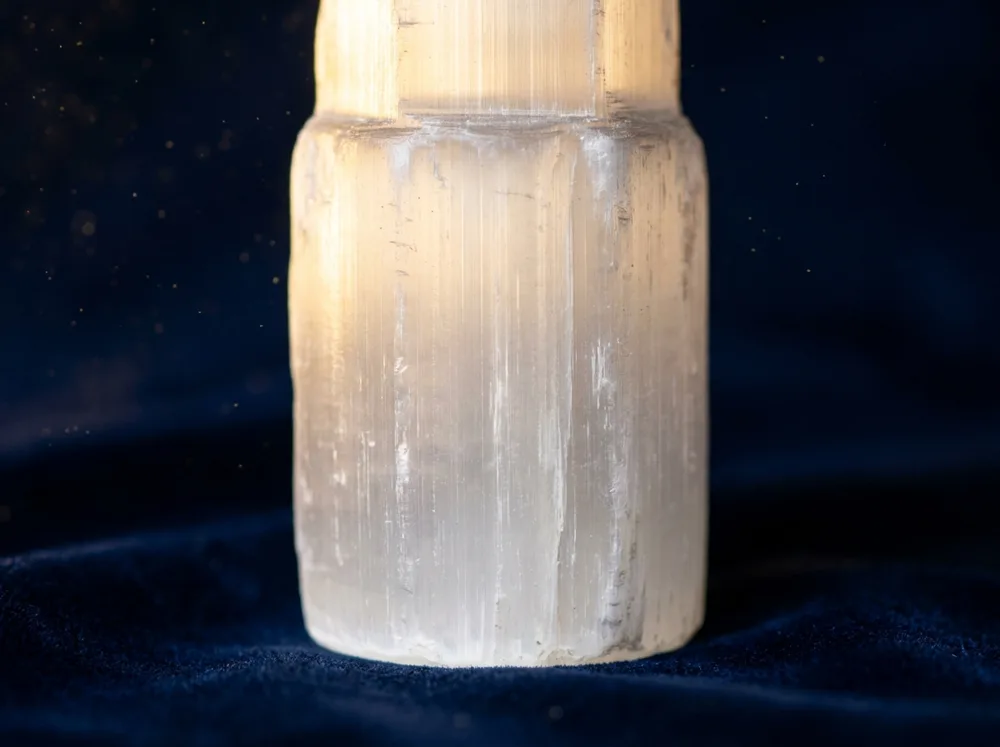
Selenite
Clearing, and cleansing other stones
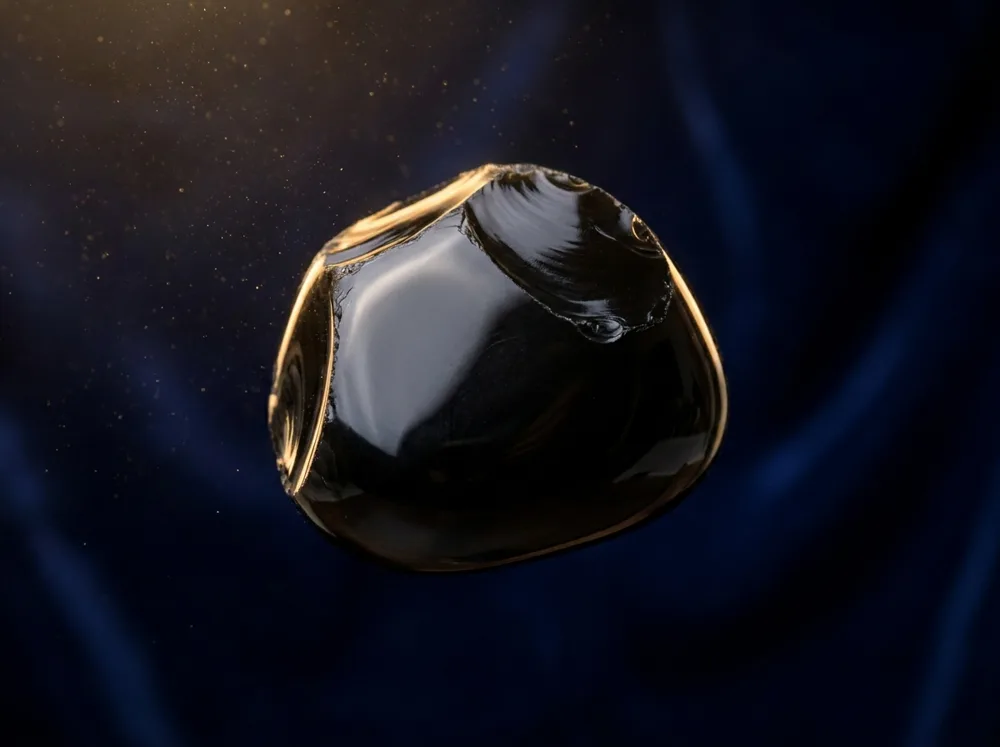
Obsidian
Truth, and facing things
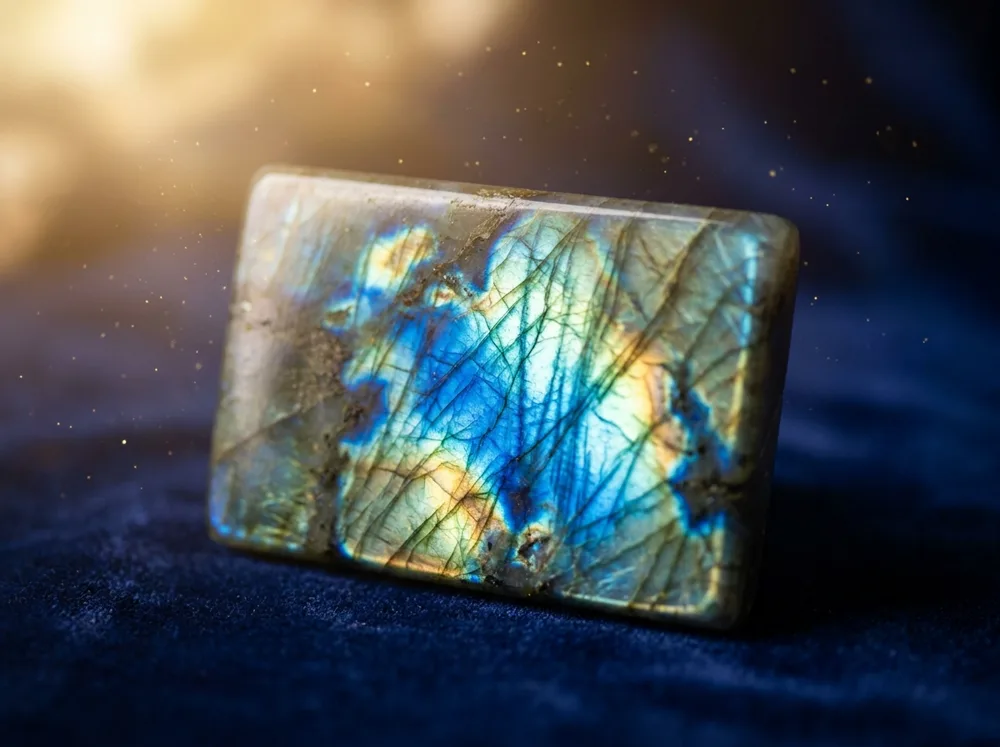
Labradorite
Transformation and thresholds
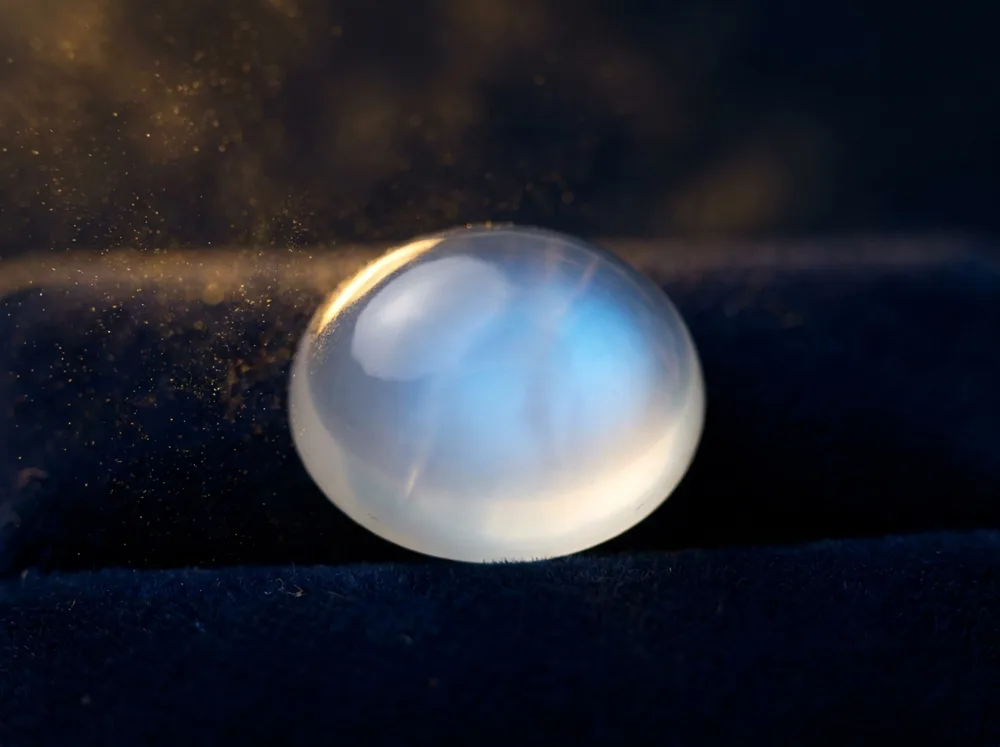
Moonstone
Intuition, cycles, new starts
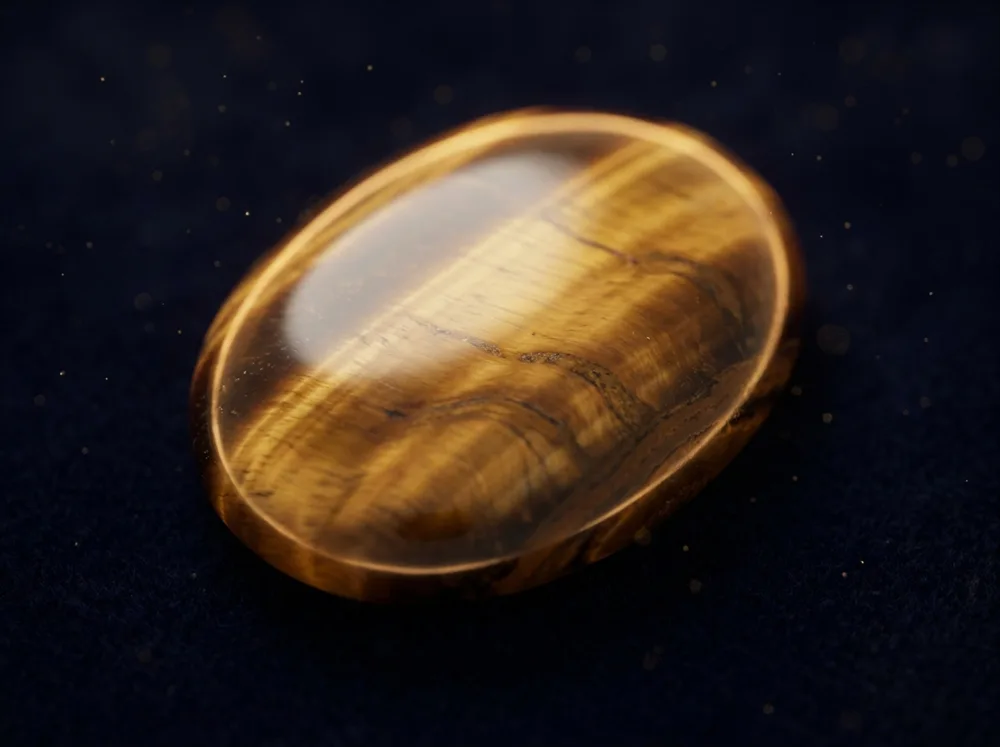
Tiger's Eye
Courage and steady nerve
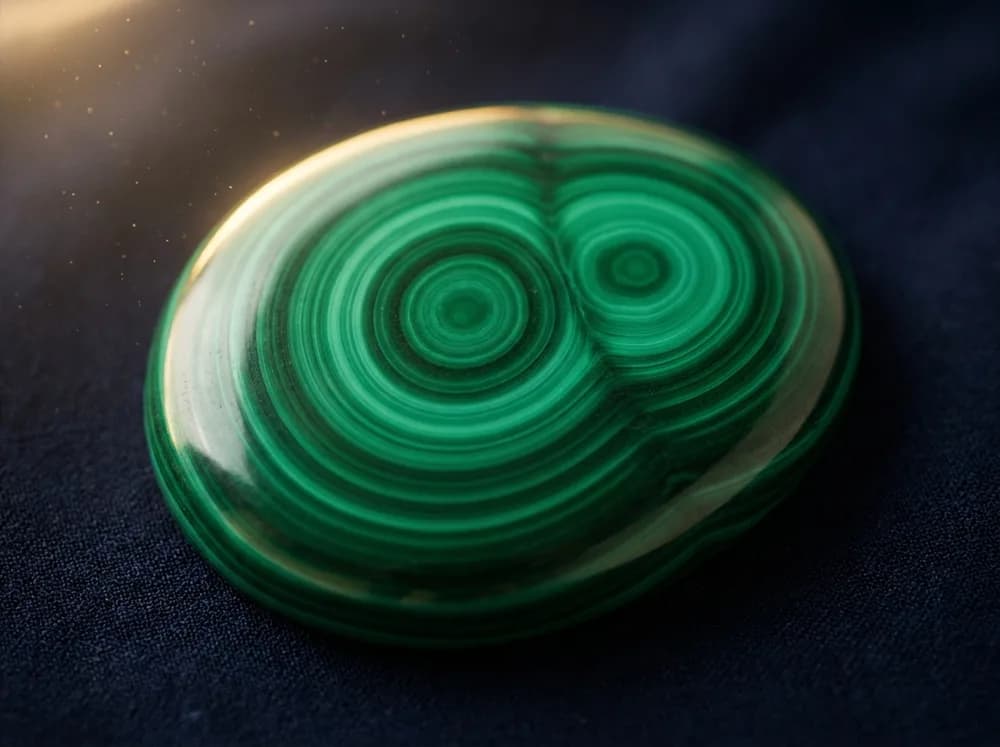
Malachite
Transformation, and the heart
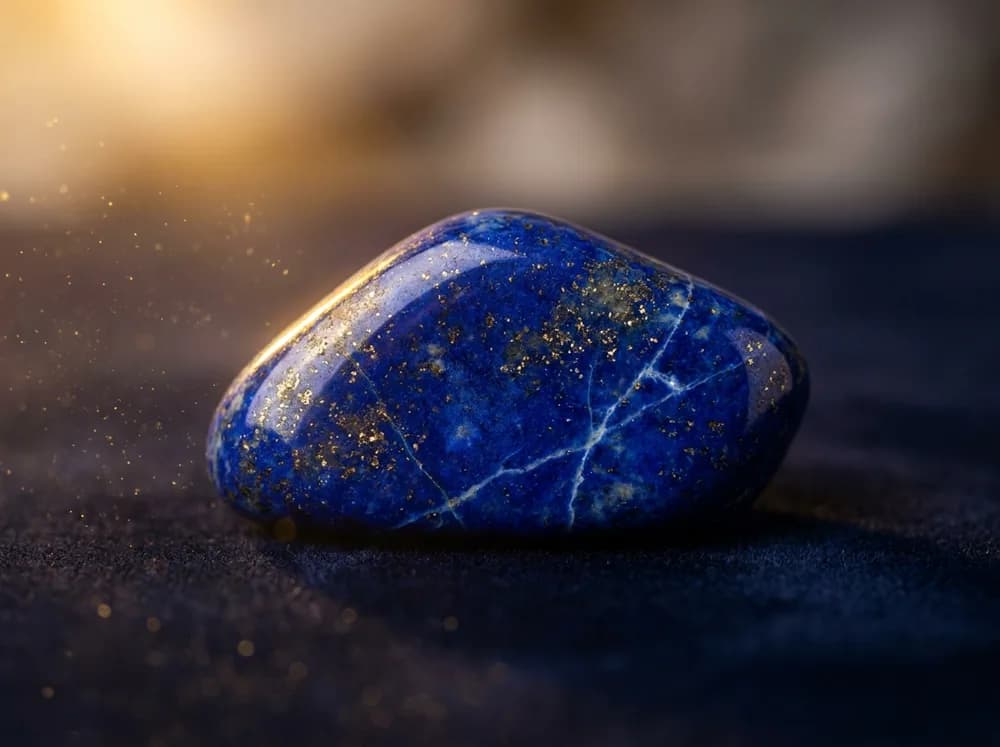
Lapis Lazuli
Truth, and saying it
| Amethyst | Rose Quartz | Clear Quartz | |
|---|---|---|---|
| Reach for it to | Calm a loud mind | Be kinder to yourself | Strengthen any intention |
| Colour | Pale lilac to deep violet | Soft, cloudy pink | Clear to milky white |
| Hardness | 7 out of 10 | 7 out of 10 | 7 out of 10 |
| Safe in water | Yes | Yes | Yes |
| Safe in sunlight | No — fades permanently | No — fades to grey | Yes |
| Traditional chakra | Crown and third eye | Heart | All of them |
| Mined in | Uruguay, Brazil, Zambia | Madagascar, Brazil | Arkansas, Brazil, the Alps |
| Typical cost | Low | Low | Lowest |
New to this? Start with these three
- Amethyst, if your head is loud and you want calm. It is the most popular crystal in the world for a reason.
- Rose quartz, if something hurts and you are being hard on yourself.
- Clear quartz, if you want one simple stone and do not want to overthink it. It is cheap, tough, and impossible to ruin.
The two rules that save your crystals
Almost every ruined crystal comes down to one of these two mistakes, and both are easy to avoid.
How to cleanse a crystal without ruining it
Cleansing is a ritual, and rituals do not need water. Every one of these works, and none of them will damage a stone:
- Leave it out overnight under the moon. The full moon is traditional, but any night works.
- Pass it through smoke, from incense or dried herbs.
- Sound: a bell, a bowl, or even humming.
- Rest it on a selenite plate or a quartz cluster.
- Simply hold it and say what you are setting it toward. This is the oldest method there is.
Is a crystal the same thing as a gemstone?
Mostly it is a question of what happened to it. Gemstone usually means it was cut and set into jewellery, and crystal usually means it kept its natural shape. Same stones, different jobs. And a few famous ones are not crystals at all in the strict sense: obsidian is volcanic glass, and lapis lazuli is a rock made of several minerals mixed together rather than one.
So do crystals actually work?
Here is the honest answer, and we would rather give it to you than sell you something else.
There is no evidence that a stone heals illness or gives off a healing energy. When researchers compared real crystals against fake ones, people reported feeling exactly the same things from both. That is worth knowing, and anyone who hides it from you is not on your side.
But that is not the end of it. A stone in your pocket is something to hold when your hands want something to do. It marks an intention. It reminds you, at four in the afternoon, of a decision you made when you were calm at nine in the morning. People have used objects this way for as long as there have been people, and it is genuinely useful. It is just not medicine, and it should never replace a doctor.
Sources
The research behind the evidence claims on this page. Where a study is cited, we link the study itself rather than an article about it.
- 1.French, C. C., Williams, L., & Davies, C. (2001). Crystal healing: an assessment of a placebo effect. Presented at the British Psychological Society Centenary Annual Conference, Glasgow.80 volunteers meditated holding either real quartz or an indistinguishable fake. Both groups reported the same sensations. The authors concluded there is no evidence crystal healing works beyond a placebo effect. This is the study behind our statement that real and fake stones produce identical reports.
- 2.Mohs hardness values, chemical formulae and type localities in these guides follow standard mineralogical reference data (Mindat.org and the Handbook of Mineralogy, Mineralogical Society of America).Used for every hardness figure, formula and mining region cited across the crystal guides.
Frequently asked
What do crystals mean?
Each stone carries traditional associations: amethyst with calm, rose quartz with love and self-compassion, citrine with confidence and abundance, black tourmaline with protection. These are long-standing traditions rather than demonstrated effects, and no crystal treats an illness.
Which crystal should I start with?
Amethyst if you want calm, rose quartz if something hurts, or clear quartz if you want one simple stone. All three are quartz, which means they are tough, cheap, safe in water, and very hard to ruin. Just keep the coloured ones out of direct sunlight.
Do crystals really work?
There is no scientific evidence that crystals heal illness or emit an energy, and studies comparing real stones to fakes found people reported the same sensations from both. What a crystal genuinely gives you is something to hold and a reminder of an intention, which is useful in its own right, but it is not medical treatment.
Which crystals cannot go in water?
Selenite dissolves, malachite can leach copper and must never be drunk, and pyrite rusts. The simple rule is that soft stones stay dry. Quartz stones like amethyst, rose quartz, citrine and clear quartz are all safe in water. Sunlight is the bigger danger for those, because it fades them permanently.
How do I cleanse my crystals?
Moonlight overnight, smoke from incense or herbs, sound from a bell or bowl, resting them on a selenite plate, or simply holding the stone and stating your intention. None of these risk damaging a stone, and water was never required.
Keep reading
Which Crystals Cannot Go in Water? The Simple Rule
The rule is easier than the long lists suggest: if a stone is soft, keep it dry.
Amethyst Meaning: The Calm Stone, and How to Use It
The one most people own, and the one they reach for when their head will not switch off.
Rose Quartz Meaning: The Love Stone, and What It's Really For
Everyone calls it the love stone. The older meaning is gentler, and it is not about romance.